
Hair removal · 20 February 2025 · 8 min read
Can I get laser hair removal on my balls?
By Alayika Parvez
Owner, CoLaz Aesthetics Clinic
The short version
- • Yes, the scrotum can be treated with laser hair removal, but only by a trained practitioner who adjusts the settings for thin, sensitive skin.
- • The laser targets pigment in the hair, so it delivers long-term reduction rather than permanent removal, and it needs several sessions to work through the hair cycle.
- • The three risks worth knowing are heat discomfort, temporary redness or irritation, and, more rarely, burns or pigment changes from wrong settings or a tanned skin.
- • Most people need six to eight sessions spaced four to six weeks apart, with occasional top-ups after that.
- • At CoLaz, every intimate laser plan starts with a free consultation and a patch test before any treatment goes ahead.
TL;DR
- Yes, the scrotum can be treated with laser hair removal, but only by a trained practitioner who dials the settings down for thin, sensitive skin.
- The laser targets pigment in the hair, so it gives long-term reduction rather than permanent removal, and it needs several sessions to work through the hair cycle.
- The three risks worth knowing are heat discomfort, temporary redness or irritation, and, more rarely, burns or pigment changes from the wrong settings or a fresh tan.
- Most people need six to eight sessions spaced four to six weeks apart, plus occasional top-ups.
- At CoLaz, every intimate laser plan starts with a free consultation and a patch test before any treatment goes ahead.
Yes, you can have laser hair removal on your balls, and it is a common request from men who are tired of shaving, waxing and the ingrown hairs that come with them. The scrotum has thin, sensitive skin, so the treatment has to be done carefully, at conservative settings, by a practitioner who is trained and insured for intimate work. Done properly, it offers smoother skin with far less upkeep than a razor.
This guide walks through how laser hair removal works on this delicate area, whether it is safe, the three risks to weigh up, what a session feels like, and how many treatments you should realistically plan for.
Can you get laser hair removal on your balls?
Yes. The scrotum is a recognised treatment area for laser hair removal, and reputable clinics offer it as part of male intimate hair removal alongside the shaft, perineum and buttocks.
The reason it is offered at all is simple. Shaving this area is fiddly and carries a real risk of nicks, and waxing here is genuinely painful. Laser gives a longer-lasting result with less day-to-day maintenance. That said, “offered” is not the same as “casual”. The skin here is thinner and more mobile than on the legs or back, so it should only be treated by someone who does intimate work regularly and adjusts the machine accordingly. If a clinic is happy to book you in without a consultation or a patch test first, treat that as a warning sign rather than a convenience.
How does laser hair removal work on such sensitive skin?
Laser hair removal works by sending a controlled beam of light into the hair, where the dark pigment (melanin) absorbs it and converts it to heat that damages the follicle. On the scrotum, the same physics applies, but the energy and pulse settings are turned down to protect the delicate skin.
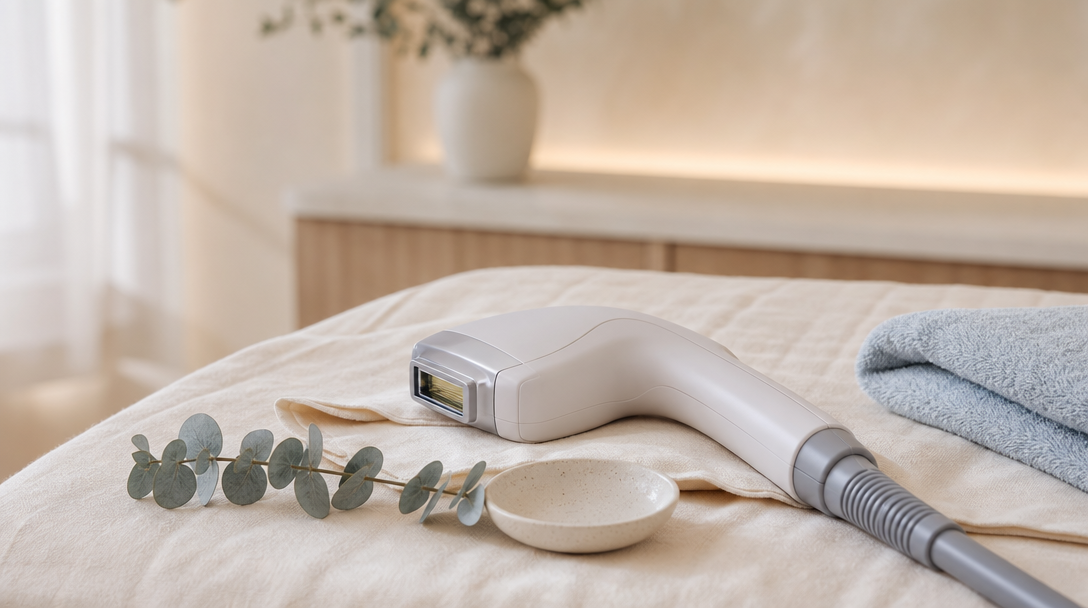
The NHS explains that the light heats and disrupts the follicles so they stop producing hair, and that it works best on darker hair against paler skin. Your hair does not all grow at once, though. Research on the growth cycle shows hairs move through three phases: anagen (active growth), catagen (transition) and telogen (resting). The laser can only meaningfully damage a follicle in its active phase, which is why one session never clears an area for good. Guidance from the Leeds Teaching Hospitals NHS Trust is clear that a course of treatments is needed to catch follicles across their different cycle stages.
One honest point up front: this is long-term hair reduction, not permanent removal. Most hairs that grow back after a full course are finer and lighter, and some areas stay clear for years, but the correct term is reduction.
Is it safe to treat the scrotum with a laser?
Laser hair removal on the scrotum is considered safe when it is carried out by a trained practitioner using the right settings, and there is no evidence linking it to fertility problems or cancer. The main safety lever is who holds the handpiece.
The NHS notes that laser hair removal is safe but can cause side effects, that it is not right for everyone, and that there is no evidence it causes skin cancer. It also stresses checking that your practitioner is on a register and avoiding anyone who has only done a short training course. That advice matters more, not less, on intimate skin. A skilled practitioner will keep the testicles cool, work in short controlled passes, and stop if the skin looks unhappy. An undertrained one working at generic body settings is where problems start.
What are the three main risks?
The three risks worth understanding before you book are heat discomfort, temporary skin reaction, and the rarer possibility of burns or pigment change from poor technique. None are common in trained hands, but you should know them.
- Heat and discomfort. The laser delivers heat in pulses, and on thin scrotal skin that registers more than it would on a thigh. Most men describe it as a warm snap, like a rubber band flicked against the skin. Cooling gel or a chilled tip takes the edge off.
- Redness, swelling and irritation. Mild redness and slight swelling around the follicles is the normal, expected reaction and usually settles within hours to a day or two. The American Academy of Dermatology notes that treated skin is often red and swollen straight afterwards, with little to no real downtime for most people.
- Burns and pigment changes. These are the rare but serious ones, and they are almost always down to the wrong settings or treating tanned skin. A clinical review of laser complications explains that burns happen when too much heat or too little cooling overheats the tissue, and that darker skin tones are more prone to pigment changes, which is why conservative settings and strict sun avoidance beforehand matter. There is also a small chance of folliculitis, a temporary inflammation of the follicles that a dermatology paper describes as usually settling on its own or with simple care.
Interestingly, laser often helps the very problem many men come in with. For ingrown hairs and razor bumps, the evidence on pseudofolliculitis barbae shows that removing the follicle with a laser is an effective, lasting fix where shaving keeps making things worse.
Does laser hair removal on the balls hurt?
It is uncomfortable rather than painful for most men, and the sensation is brief. Because scrotal skin is thin and rich in nerve endings, it does feel sharper here than on larger, tougher areas, but it is manageable and over quickly.
A cooling gel or chilled handpiece is used to calm the skin between pulses, and the treated area is small, so a scrotum session is measured in minutes rather than a long ordeal. If you find the sensation too much, tell your practitioner: they can adjust the pace, add more cooling, or split the area across the session.
How should you prepare for a session?
Good preparation is mostly about protecting the skin and giving the laser a clean target. The three rules that matter most are shave, do not tan, and keep the skin clean and product-free on the day.
- Shave, do not wax or pluck, the day before. Shaving leaves the root in place for the laser to find while removing the hair above the skin so it cannot scorch. Waxing, plucking and threading pull out the root the laser needs, so avoid them for the whole course. The AAD’s preparation guidance recommends shaving shortly before treatment for this reason.
- Avoid sun and self-tan. A tan raises the risk of burns and pigment change, so keep the area out of the sun and off sunbeds, and skip fake tan, for at least a couple of weeks beforehand.
- Arrive clean and bare. No deodorant, perfume, lotion or oil on or near the area on the day. Clean, dry skin lets the laser work safely.
What happens during and after the session?
The session itself is quick, and aftercare is mostly about keeping the area cool, clean and friction-free for a day or two. You are in and out, and back to normal activity the same day.
During treatment, the skin is cleansed, a cooling gel may be applied, and the practitioner works the handpiece over the area in short pulses at settings matched to your skin and hair. Everyone in the room wears protective eyewear. Afterwards, follow simple aftercare:
- Keep it cool and avoid hot showers, saunas, steam rooms and heavy exercise for around 48 hours, since heat and sweat irritate freshly treated follicles.
- Wear loose, breathable underwear for a day or two to reduce friction.
- Soothe the skin with a fragrance-free gel or moisturiser, and use SPF on any nearby skin that sees daylight.
- Do not wax or pluck between sessions. Shaving between visits is fine.
How many sessions will you need?
Most men need six to eight sessions on intimate areas, spaced four to six weeks apart, to reach a clear, lasting result. That spacing is set by the hair cycle, not by the clinic trying to stretch things out.
The AAD confirms that most patients need several treatments spaced four to six weeks apart, with a 10 to 25 percent reduction after the first, and that regrowth tends to be finer and lighter. After the main course, occasional top-ups keep things in check, especially on hormone-influenced areas. If you want the fuller picture on course length, our guide to how many sessions laser hair removal takes covers the biology in more detail.
Two caveats. If your hair is white, grey, red or very fair, the laser has little pigment to target, so it will not work well. In that case, electrolysis is the better route because it treats each follicle directly regardless of colour. And if you have a darker skin tone, the treatment is still suitable, but the system should be a long-pulsed Nd:YAG laser, which studies show is safe and effective for Fitzpatrick skin types IV to VI when the settings are tailored.
How much does it cost?
Laser hair removal at CoLaz starts from £30 for the smallest single area, and pricing for intimate areas is confirmed at your consultation once we have seen the area and planned the course. Intimate work is quoted individually rather than sold as a one-size package.
Because the size of the area, your hair type and the number of sessions all affect the total, a fair price can only be set after we have looked at the specifics. You can see indicative starting prices across treatments on our pricing page, and the exact plan is written up for you before anything goes ahead, so there are no surprises at the till.
How CoLaz approaches intimate laser hair removal
Every man who comes to CoLaz for intimate laser hair removal starts the same way: a free consultation and a patch test before any full treatment, never a same-day treat-and-hope. The consultation is where we check your skin type, talk through your hair, and set realistic expectations.
Some of that is regulation. The UK aesthetics sector is guided by the JCCP and the Save Face register, both recognised by the Professional Standards Authority, and both worth checking when you choose any clinic for intimate work. The rest is simply how careful treatment should be done: conservative settings on sensitive skin, a patch test to see how you react, and a plan written down in advance.
If you are considering it, the free consultation is the right first step. Book at your nearest CoLaz clinic, ask every question you have, and we will tell you honestly whether laser is the right choice for you.
Ready to begin
Book a free Laser Hair Removal consultation at your nearest CoLaz clinic.
Thirty minutes with a qualified clinician. Skin assessment, candid recommendation, no obligation. Read about Laser Hair Removal at CoLaz, from £30 (upper lip, single session).
WhatsApp replies in minutes during opening hours
About the author
Alayika Parvez
Owner, CoLaz Aesthetics Clinic
Alaiyka Parvez bought the CoLaz franchise network in 2023, having joined the company as a Slough clinic employee in 2013 and gone on to open the Hounslow and Wembley franchises. She writes here on the treatments CoLaz delivers across its seven UK clinics.
Read more about Alaiyka and CoLaz →More on Hair removal
Keep reading.
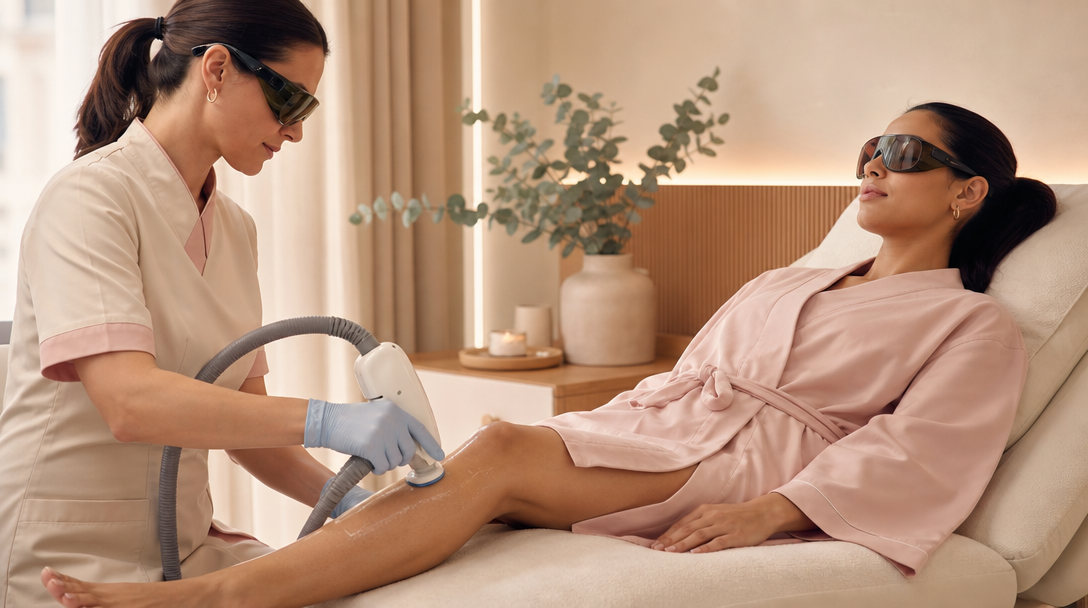
8 September 2026 · 12 min
Does laser hair removal hurt? Laser hair removal pain by body area
Laser hair removal is uncomfortable, not painful, and the level depends almost entirely on the area. Here is our honest area-by-area rating, what the evidence says about cooling, and the one thing not to do before a session.

2 September 2026 · 12 min
Is laser hair removal safe on dark skin? What the evidence says
Laser hair removal on dark skin works, but only when the wavelength matches your skin type. Here is the science behind why melanin matters, which lasers suit Fitzpatrick V and VI, and the questions to ask before you book.
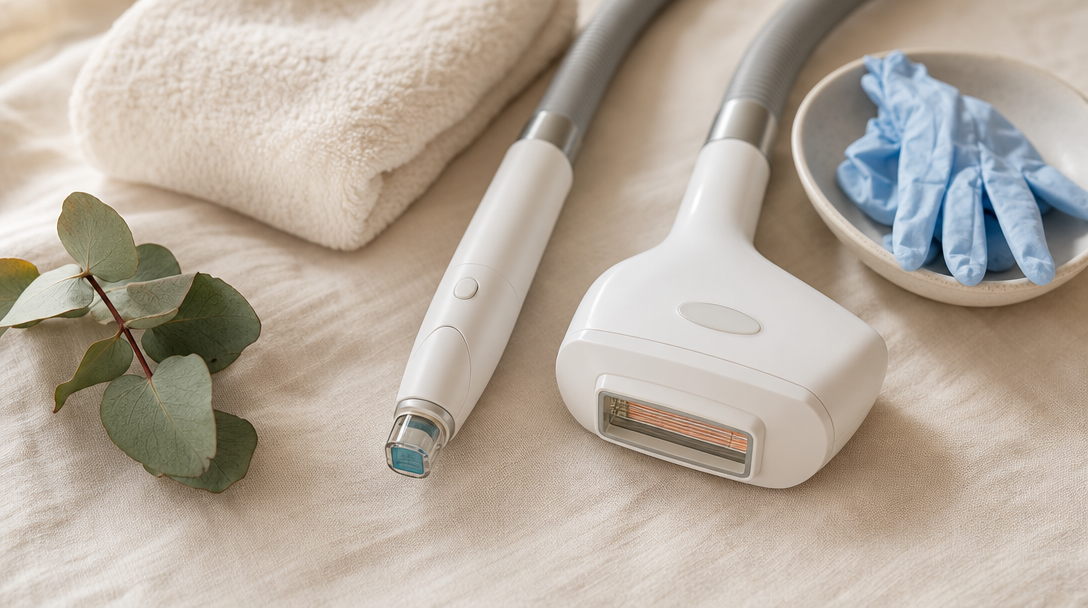
1 July 2026 · 7 min
IPL vs laser hair removal: why the device you choose matters
The real difference between IPL and laser hair removal, why it changes your results and safety, and how CoLaz matches the right device to your skin and hair.
Begin
Book a free consultation
at your nearest CoLaz clinic.
Thirty minutes with a qualified clinician. Skin assessment, candid recommendation, written plan. No obligation.