
Hair removal · 11 February 2025 · 7 min read
Dark Underarm Laser Hair Removal: Before and After
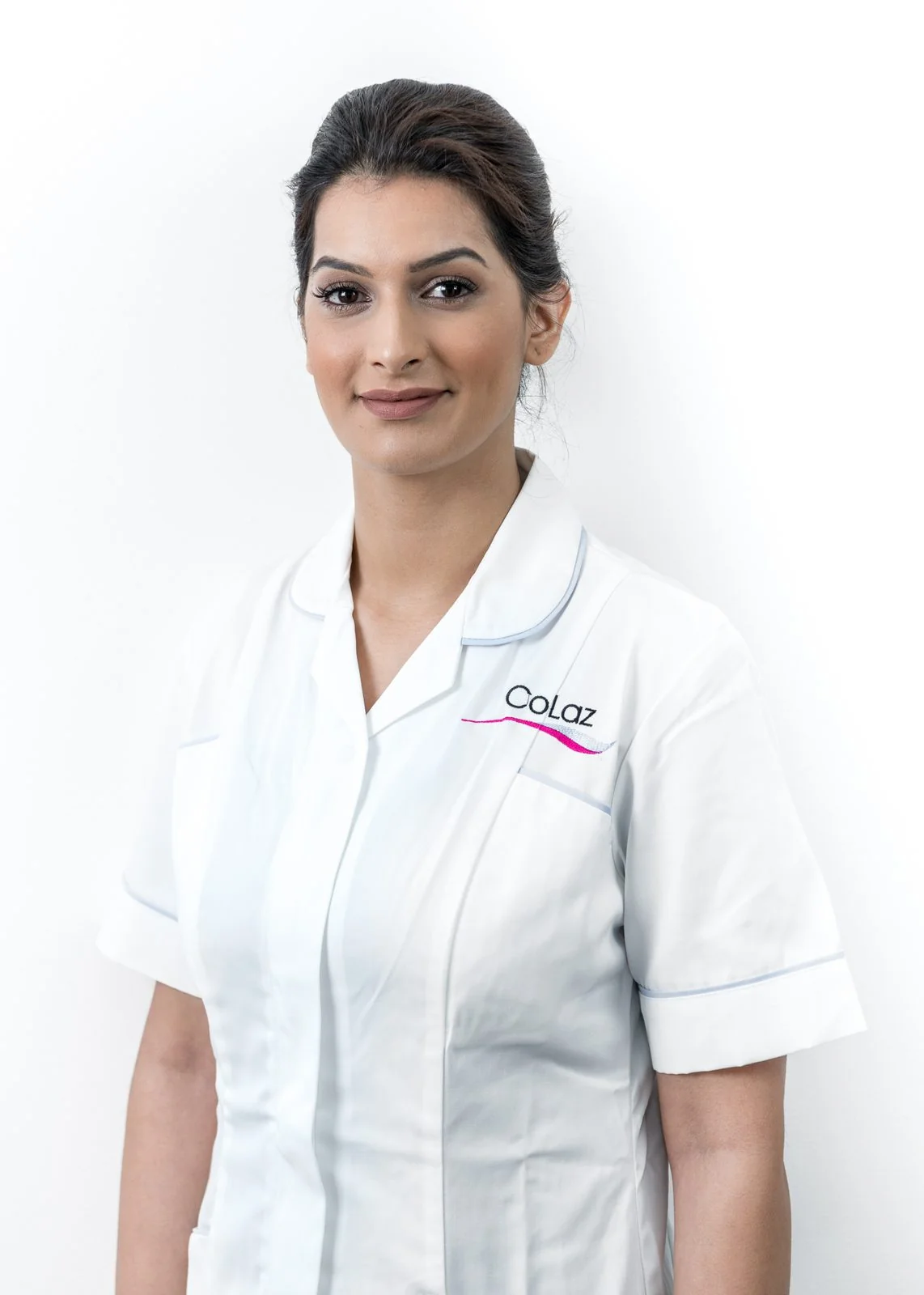
By Alayika Parvez
Owner, CoLaz Aesthetics Clinic
The short version
- • Before treatment, dark underarms usually show thicker hair and darker skin caused by years of shaving, friction and ingrown hairs.
- • After a course of laser, the hair grows back finer and sparser, and many people find the skin looks calmer and more even once the shaving and irritation stop.
- • Laser removes hair, it is not a skin-lightening treatment, but by removing the trigger it can help post-inflammatory marks fade over time.
- • Most underarms need six to eight sessions, spaced four to six weeks apart, for clear long-term reduction.
- • On darker skin, the right laser (usually Nd:YAG), a patch test and a qualified clinician matter, because the wrong settings can affect pigment.
If you have dark underarms and you are wondering what laser hair removal really changes, here is the honest before and after: the hair grows back finer and sparser session by session, and for many people the skin itself looks calmer and more even once the shaving, friction and ingrown hairs stop. Laser is a hair treatment first, not a skin-lightening treatment, but the two are linked more closely than most people expect.
Below is what to expect before and after laser hair removal on dark underarms: why underarms darken in the first place, whether laser can help the marks fade, how safe it is on deeper skin tones, and the realistic session-by-session picture.
What does dark underarm laser hair removal look like before and after?
Before treatment, most people have coarse hair and some darkening from years of shaving, and after a full course the hair is much finer and sparser, with skin that often looks smoother once the daily irritation stops.
The change is gradual, not overnight. Laser works over a course because it can only affect follicles that are in their active growth phase at the moment of each session. Dermatology research on the growth cycle shows hairs move through active, transition and resting stages, and only the active ones hold enough pigment for the laser to target. That is why one session thins the area a little, and it takes several visits to work through the whole underarm.
So a realistic before and after is: thick, fast-returning stubble and some shadowing at the start, moving to fine, slow, patchy regrowth and clearer-looking skin by the end of the course.
Why do underarms go dark in the first place?
Underarms usually darken because of repeated friction, shaving and ingrown hairs, not because the area is dirty or unwashed. This kind of darkening is called post-inflammatory hyperpigmentation, where the skin lays down extra pigment after being irritated.
The underarm is a perfect storm for it. The skin is thin and soft, it rubs against itself and clothing all day, and it gets shaved often. The NHS notes that shaving, waxing, plucking and threading all raise the risk of ingrown hairs, and that coarse or curly hair is more likely to curl back into the skin. Each ingrown hair is a small patch of inflammation.
The British Association of Dermatologists patient hub explains that razor bumps, or pseudofolliculitis, can leave dark discolouration and are more common in people with curlier hair and deeper skin tones. Every close shave feeds the cycle: irritation, then pigment, then more shaving over the top of it.
One important caveat: if your underarms have darkened quite suddenly or feel thickened and velvety, it is worth seeing your GP, because that pattern can be linked to health issues such as insulin resistance. Laser is for the hair and the shaving-related marks, not a substitute for a medical check.
Can laser hair removal lighten dark underarms?
Laser hair removal does not bleach or lighten skin directly, but by removing the hair, it takes away the constant shaving and ingrown-hair irritation that drives the darkening, so the marks often fade on their own over time.
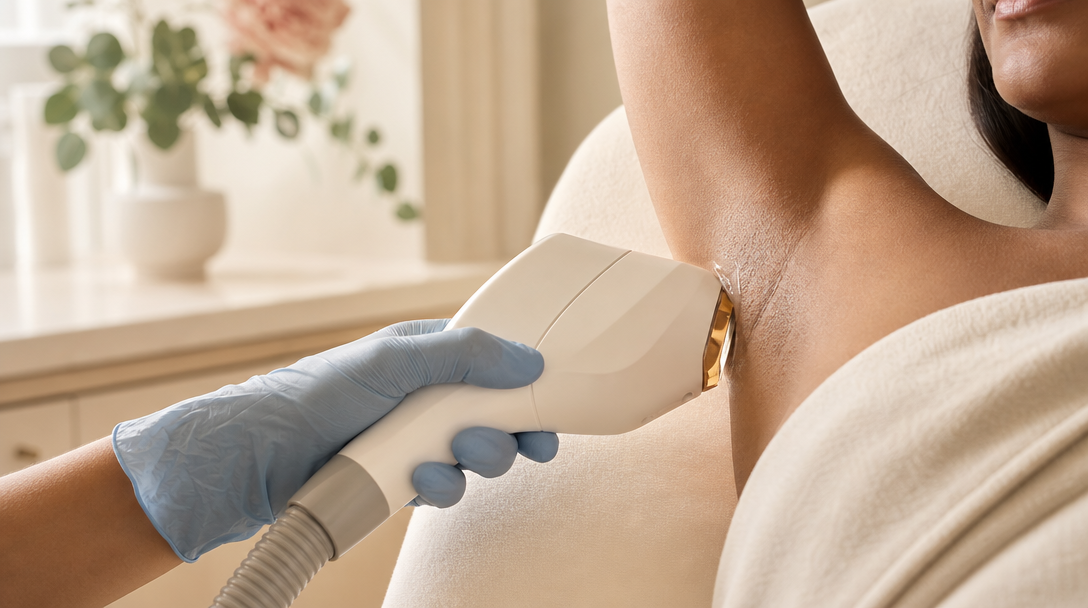
Think of it as treating the cause rather than the stain. Post-inflammatory pigment tends to settle once the source of inflammation is gone, and stopping the shaving cycle removes a big source. The NHS lists long-term hair removal such as laser as a way to prevent ongoing ingrown hairs, which are one of the main triggers in the first place.
That said, laser is not a pigmentation treatment, and results vary from person to person. If your main goal is the marks themselves rather than the hair, it is worth looking at dedicated pigmentation options too, and pairing a good SPF and a gentle brightening routine with the laser course. We will talk you through what is realistic for your skin at the consultation rather than overpromising an even tone.
What to expect before your first session
Good preparation protects your skin and helps each session work, and it matters more on darker skin than most people realise. Before your first underarm session:
- Shave the area twelve to twenty-four hours before. The AAD advises removing the hair above the skin so it cannot scorch during the pulse, while leaving the root under the skin for the laser to target.
- Do not wax, pluck, thread or use hair-removal cream for at least two to four weeks before, and for the whole course. These pull out the root the laser needs to find.
- Avoid sun and fake tan on the area for around two weeks beforehand. A fresh tan raises the risk of burns and pigment changes, which is exactly what you are trying to avoid.
- Skip deodorant, perfume and strong actives on the day of the session. Come with clean, dry skin.
- Have a patch test first. This is not optional at CoLaz, and on deeper skin tones it is the single most important safety step.
Is laser hair removal safe on dark skin?
Laser hair removal can be done safely on dark skin, but the laser type and settings have to be right, because the wrong ones can affect pigment on deeper skin tones. The long-pulsed Nd:YAG laser is the usual choice for this reason.
Its longer 1064 nm wavelength passes the surface pigment and reaches the follicle underneath, which is why studies of darker skin tones (Fitzpatrick IV to VI) find it effective with a low side-effect rate. For lighter skin, the Alexandrite laser at 755 nm is often more efficient, and many clinics, including ours, use both and match the device to your skin after the patch test.
The honesty part matters here. The British Association of Dermatologists notes that laser and IPL carry a real risk of pigment change on deeper skin if used carelessly. That is precisely why the qualification and experience of the person holding the handpiece counts as much as the machine. A proper patch test and a clinician trained on darker skin turn a risky-sounding treatment into a controlled one.
Underarm results session by session: 1, 3 and 6 visits
Results build with each visit, so the fairest way to picture the before and after is in stages rather than as a single jump. Here is the typical pattern for underarms:

- After one session: treated hairs shed over the following one to two weeks. Regrowth is slower to appear, though most of the area still grows back this early.
- After three sessions: noticeably less hair, finer regrowth, and usually less day-to-day irritation because you are shaving far less often.
- After six to eight sessions: most active follicles have been treated several times, so regrowth is minimal and fine. With the shaving cycle broken, many people find the skin looks calmer and more even too.
Underarms tend to respond well because the hair is typically dark and coarse, which is exactly the contrast the laser works best with.
How many sessions will dark underarms need?
Most underarms need six to eight sessions, spaced four to six weeks apart, for clear long-term hair reduction. That brings the full course in at around six to nine months from start to finish.
NHS guidance from the Bristol Laser Centre puts most patients in a similar range plus occasional maintenance, and the AAD confirms the four-to-six-week spacing that lets a fresh batch of follicles reach the growth phase between visits. You can read more on how the session count is planned in our dedicated guide.
If your hair growth is hormone-driven, for example with PCOS, the underarms and face can need a few extra sessions and some light maintenance. The NHS treatment guidance for PCOS lists laser as one option used alongside medical management. And if your underarm hair is very fine, pale or grey, laser has less pigment to target, and the Leeds NHS patient information is clear that it does not work well on those hairs. In that case we would suggest electrolysis instead.
Side effects and how we keep them low
Underarm laser is generally well tolerated, and the common side effects are short-lived. Knowing them in advance helps you tell normal from a problem:
- Mild redness or slight swelling around the follicles for a few hours after a session is normal and settles quickly.
- Temporary pigment change is the main risk on darker skin, and it is what the correct laser choice and patch test are there to prevent.
- Aftercare keeps things calm: skip deodorant, tight tops, hot showers, saunas and intense exercise for around twenty-four hours, and use a daily SPF on any area that sees sunlight.
If anything looks blistered or does not settle, contact your clinic. With sensible settings and a patch test, most people simply notice a little warmth and nothing more.
How CoLaz plans your underarm course
Every new laser patient at CoLaz starts the same way: a free consultation and a patch test forty-eight hours before the first full session, so we can see how your skin responds before committing to a plan.
That gateway is partly about safety and partly about honesty. The UK aesthetic industry is guided by JCCP standards and the Save Face register, both recognised by the Professional Standards Authority, and we would rather confirm your course in writing after a patch test than sell a fixed package on day one. For dark underarms in particular, that patch test is where we choose the right laser for your skin tone and set expectations for both the hair and any marks.
If you would like to see what your own before and after could look like, the free consultation and patch test are the place to start. Book at your nearest CoLaz clinic and we will plan a course that suits your skin, not a one-size template.
Ready to begin
Book a free Laser Hair Removal consultation at your nearest CoLaz clinic.
Thirty minutes with a qualified clinician. Skin assessment, candid recommendation, no obligation. Read about Laser Hair Removal at CoLaz, from £30 (upper lip, single session).
WhatsApp replies in minutes during opening hours
About the author
Alayika Parvez
Owner, CoLaz Aesthetics Clinic
Alaiyka Parvez bought the CoLaz franchise network in 2023, having joined the company as a Slough clinic employee in 2013 and gone on to open the Hounslow and Wembley franchises. She writes here on the treatments CoLaz delivers across its seven UK clinics.
Read more about Alaiyka and CoLaz →More on Hair removal
Keep reading.

8 September 2026 · 12 min
Does laser hair removal hurt? Laser hair removal pain by body area
Laser hair removal is uncomfortable, not painful, and the level depends almost entirely on the area. Here is our honest area-by-area rating, what the evidence says about cooling, and the one thing not to do before a session.

2 September 2026 · 12 min
Is laser hair removal safe on dark skin? What the evidence says
Laser hair removal on dark skin works, but only when the wavelength matches your skin type. Here is the science behind why melanin matters, which lasers suit Fitzpatrick V and VI, and the questions to ask before you book.
1 July 2026 · 7 min
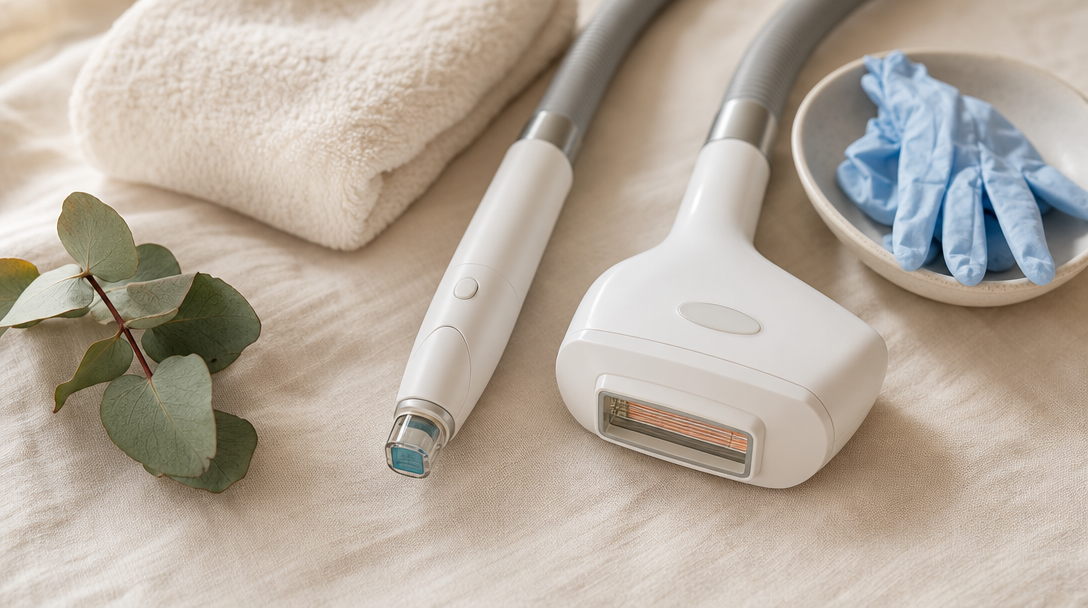
IPL vs laser hair removal: why the device you choose matters
The real difference between IPL and laser hair removal, why it changes your results and safety, and how CoLaz matches the right device to your skin and hair.
Begin
Book a free consultation
at your nearest CoLaz clinic.
Thirty minutes with a qualified clinician. Skin assessment, candid recommendation, written plan. No obligation.