
Skin · 31 May 2025 · 7 min read
What to Put on Your Face After Dermaplaning: 6 Products and 4 Don'ts
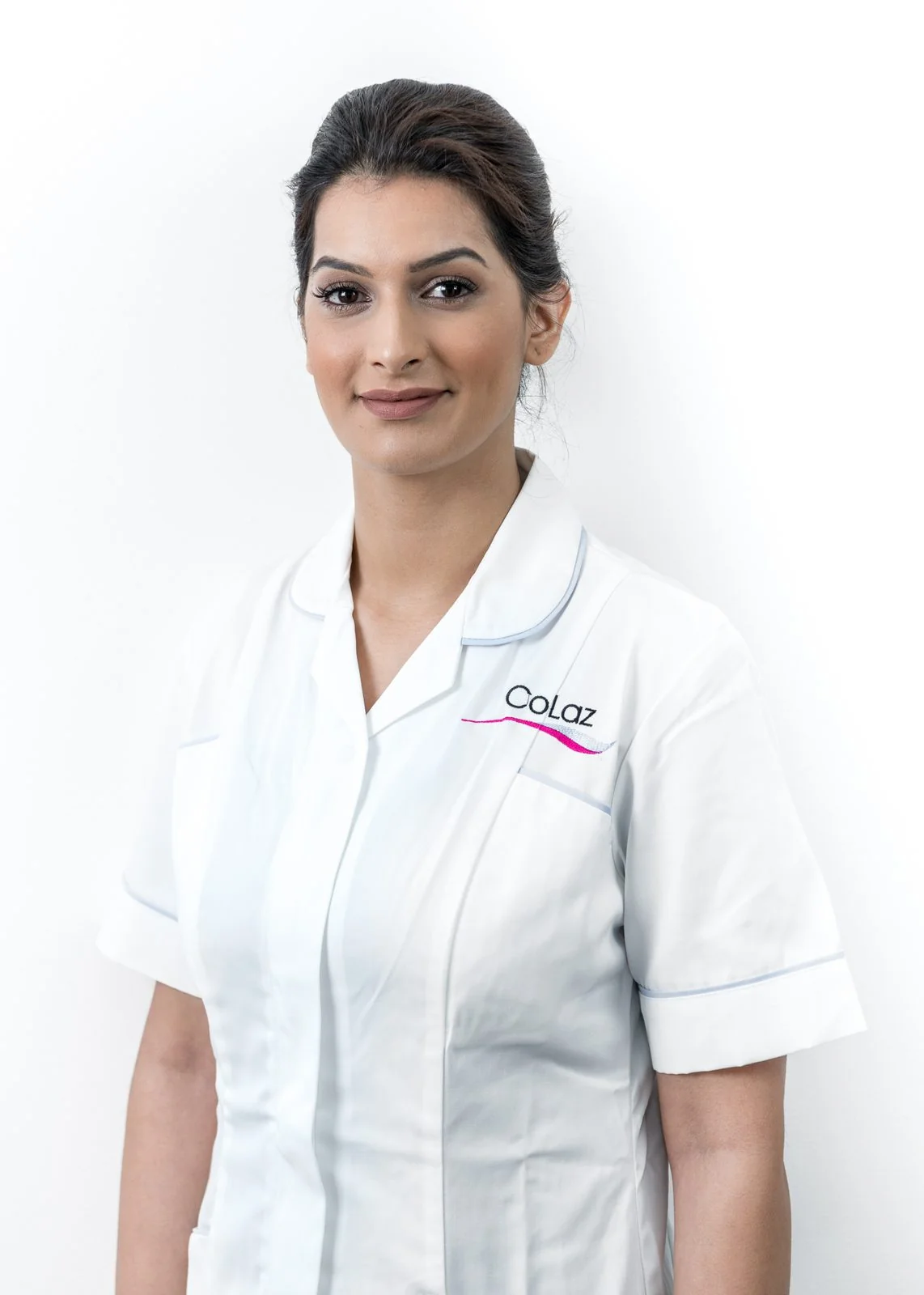
By Alayika Parvez
Owner, CoLaz Aesthetics Clinic
The short version
- • Right after dermaplaning, keep it simple: a gentle fragrance-free cleanser, a hydrating mist, a hyaluronic acid serum, a ceramide moisturiser and a broad-spectrum SPF 30 or higher.
- • Sunscreen matters most, because dermaplaning removes the top layer of dead skin and leaves the surface more exposed to UV.
- • Avoid makeup, retinol, acids, heat and touching your face for the first 48 hours while the skin settles.
- • Soothing extras like aloe vera and green tea have some evidence behind them, but patch test first and skip anything with fragrance or active acids.
- • A gentle, hydrating routine helps your smooth, glowing result last longer between sessions.
TL;DR
- Right after dermaplaning, keep it simple: a gentle fragrance-free cleanser, a hydrating mist, a hyaluronic acid serum, a ceramide moisturiser and a broad-spectrum SPF 30 or higher.
- Sunscreen matters most, because dermaplaning removes the top layer of dead skin and leaves the surface more exposed to UV.
- Avoid makeup, retinol, acids, heat and touching your face for the first 48 hours while the skin settles.
- Soothing extras like aloe vera and green tea have some evidence behind them, but patch test first and skip anything with fragrance or active acids.
- A gentle, hydrating routine helps your smooth, glowing result last longer between sessions.
After dermaplaning, use a gentle cleanser, a hydrating toner or mist, a hyaluronic acid serum, a lightweight ceramide moisturiser and a broad-spectrum sunscreen (SPF 30 or higher), and avoid makeup, retinol and heat for the first 48 hours. That short, simple routine is the whole answer, and the rest of this guide explains why each step matters and how to build it.
Dermaplaning gives your skin a genuinely fresh start. A sterile blade lifts away dead surface cells and the fine peach fuzz that dulls your complexion, so the skin feels smoother and looks brighter. The trade-off is that the surface is briefly more open and reactive, which is exactly why the products you reach for in the days afterwards make such a difference.
Why is your skin more sensitive after dermaplaning?
Your skin is more sensitive after dermaplaning because the treatment removes the outermost layer of dead cells, which is part of your skin’s protective barrier. That top layer, the stratum corneum, is what normally slows water loss and keeps irritants out.
When that dead-cell layer and its lipids are reduced, the skin holds less water and loses more of it, which research on the skin barrier links to a temporary drop in barrier strength. In practical terms, that means freshly dermaplaned skin can feel tight, look a little pink and sting more easily if you use the wrong product. It also absorbs what you apply more readily, which is a benefit when you choose gentle, hydrating formulas and a real problem when you reach for something with fragrance or acid.
The good news is that this is short-lived. For most people the barrier settles within a day or two, and a calm, supportive routine helps it recover faster.
Which six products belong in your post-dermaplaning routine?
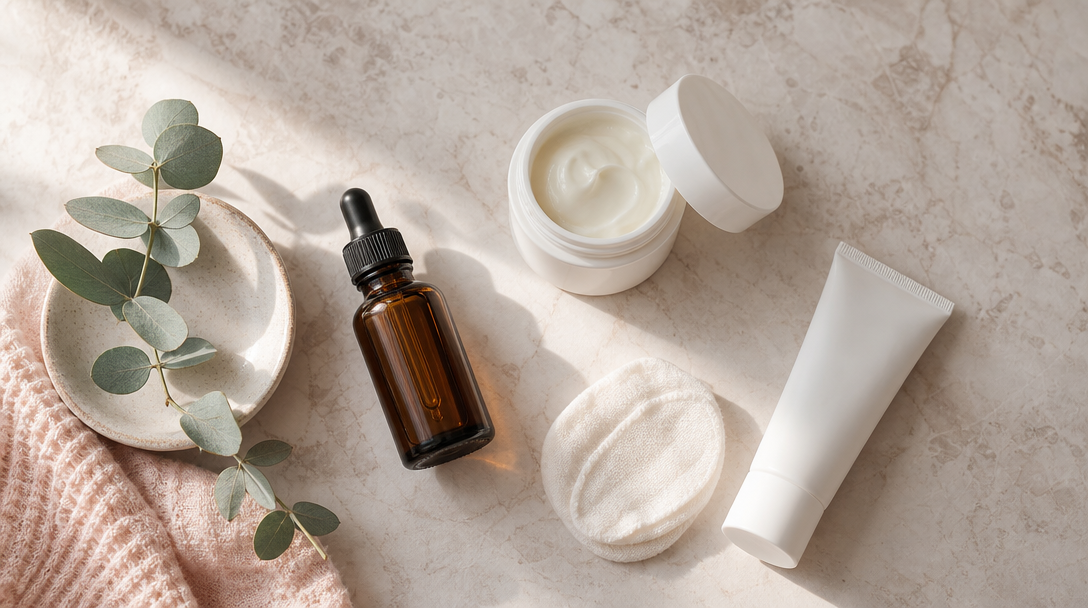
The six products that support skin after dermaplaning are a gentle cleanser, a hydrating mist, a hyaluronic acid serum, a ceramide-rich moisturiser, a soothing hydrating mask and a broad-spectrum sunscreen. Each one either adds moisture or protects the barrier while it recovers.
1. A gentle, fragrance-free cleanser
Cleanse with something mild. The American Academy of Dermatology advises sticking to gentle cleansers and rinsing with lukewarm, not hot, water for freshly exfoliated skin. Look for a fragrance-free, alcohol-free formula with no scrub beads or acids, because added scent and grit are the two things most likely to irritate a newly treated surface.
2. A hydrating toner or mist
A light hydrating mist cools the skin and adds a first layer of moisture. Choose one built around calming, water-loving ingredients such as glycerin, panthenol or hyaluronic acid, and skip anything with alcohol or strong perfume high on the list. Applied to slightly damp skin, a mist also gives your serum something to bind to.
3. A hyaluronic acid serum
Hyaluronic acid is the workhorse of post-dermaplaning hydration because it draws water into the skin and helps it look plumper and smoother. A multicentre study of a topical serum found hyaluronic acid produced measurable, lasting improvements in skin hydration. Press a few drops onto damp skin and let it absorb before you move on, so the water it holds does not simply evaporate.
4. A lightweight ceramide moisturiser
Follow your serum with a moisturiser that seals everything in. Formulas containing ceramides help restore the lipids the treatment temporarily reduced and lower water loss through the surface. Niacinamide is another useful ingredient here, as studies show it supports ceramide production and barrier function. Pick something fragrance-free and non-comedogenic so it hydrates without clogging pores.
5. A soothing hydrating mask
A hydrating or calming sheet mask is an optional extra that can settle redness and top up moisture in the first day or two. Keep it simple: aim for masks with hyaluronic acid, glycerin, aloe or oat, and avoid clay, acids or anything designed to tingle.
6. Broad-spectrum sunscreen, SPF 30 or higher
Sunscreen is the single most important step. Because the surface is more exposed, protecting it from UV helps prevent burning and pigmentation. The NHS recommends a broad-spectrum sunscreen of at least SPF 30 with good UVA protection, and the American Academy of Dermatology advises choosing one that is broad spectrum, SPF 30 or higher and water resistant. Gentle mineral filters such as zinc oxide suit sensitive skin well.
When can you wear sunscreen and makeup again?
You can and should apply sunscreen the same day as your dermaplaning, but it is best to wait until the next day before wearing makeup. UV protection cannot wait, while foundation and powder can.
Sun protection is not just for beach days. UV reaches skin on cloudy days and through windows, so UK dermatologists advise daily use during the stronger months and reapplication through the day. Apply your sunscreen generously and, if you are outdoors, reapply every two hours and after sweating.
Makeup is a different story. Foundation, concealer and powder can settle into freshly exfoliated skin and clog pores while the barrier is still recovering, so giving your face a makeup-free day helps it breathe and settle.
What should you avoid for the first 48 hours?
For the first 48 hours after dermaplaning, avoid makeup, active ingredients like retinol and acids, heat from hot showers and saunas, and touching your face more than you need to. Each of these can irritate skin that is still settling.
Here is why each one is on the list:
- Retinol, acids and strong actives. Retinoids, AHAs, BHAs and vitamin C in strong forms can sting and inflame a surface that has just been exfoliated. A review of retinoid irritation describes how these ingredients cause redness, scaling and dryness even on intact skin, so pausing them for a few days is sensible. Reintroduce them slowly once the skin feels normal again.
- Heat. Hot showers, saunas, steam rooms and hard workouts raise the skin’s temperature and can deepen redness. Keep water lukewarm, which the AAD recommends after any exfoliation, and give sweaty exercise a day off.
- Makeup. As above, let your skin have a bare day so pores stay clear.
- Touching, picking or re-exfoliating. Hands carry oil and bacteria, and scrubbing the smooth new surface undoes the point of the treatment. Let it be.
If you want to understand the recovery window in more detail, our guide to dermaplaning aftercare walks through what is normal day by day.
Do natural remedies actually soothe skin after dermaplaning?
Some natural remedies do have supporting evidence, but they are optional extras rather than essentials, and they are not risk-free. Aloe vera and green tea are the two with the most credible research behind them.
Aloe vera is a reasonable soothing option. A systematic review of aloe vera trials found it can support skin healing and help calm redness, though the authors note the overall evidence is still limited. Green tea is another option, as its polyphenols show antioxidant effects on skin in laboratory and human studies. A cool green tea compress or a plain aloe gel can feel pleasant on warm, tight skin.
Two cautions matter. First, patch test any home remedy on your inner arm before it goes near freshly treated skin, because reactive skin can flare from ingredients that are normally fine. Second, skip anything with added fragrance, essential oils, lemon juice or acids, however natural it sounds. Cucumber slices and a thin layer of plain honey are gentle and cooling for many people, but a purpose-made hydrating serum will always be the more reliable choice.
Can your diet help your skin recover?
Diet will not replace a good topical routine, but eating and drinking well gives your skin the raw materials it uses to repair and stay hydrated. Think of it as support from the inside.
Staying well hydrated helps keep skin cells plump, and a varied diet rich in antioxidants and healthy fats supports skin repair over time. Research on dietary antioxidants links vitamins C and E, found in berries, citrus, nuts and seeds, and the omega-3 fats in oily fish, flaxseed and walnuts, with better skin resilience and less UV-related damage. None of this works overnight, so treat it as a steady habit rather than a quick fix around a single appointment.
If dullness is your main concern between treatments, pairing dermaplaning with the right in-clinic care can help. Our dull skin page covers how facials, peels and Dermaplaning work together for radiance.
How does CoLaz look after your skin after dermaplaning?
At CoLaz, every dermaplaning appointment ends with clear, written aftercare so you know exactly what to use and what to skip. We treat aftercare as part of the result, not an afterthought.
Your clinician will talk you through your skin type, recommend a simple product order that suits it, and flag anything in your current routine worth pausing for a few days. If you are combining dermaplaning with a facial such as a Hydrafacial, we plan the order and spacing so your barrier is never overloaded. Dermaplaning results are smoother and brighter skin that typically lasts a few weeks, not a change to how your hair grows or a lasting alteration to your skin, so a steady routine and regular sessions are what keep the glow going.
If you would like a plan built around your skin, the free consultation is genuinely free and there is no pressure to book on the day. Find your nearest CoLaz clinic and we will map out a routine that fits you.
Ready to begin
Book a free Dermaplaning consultation at your nearest CoLaz clinic.
Thirty minutes with a qualified clinician. Skin assessment, candid recommendation, no obligation. Read about Dermaplaning at CoLaz, from £65 (full face, single session).
WhatsApp replies in minutes during opening hours
About the author
Alayika Parvez
Owner, CoLaz Aesthetics Clinic
Alaiyka Parvez bought the CoLaz franchise network in 2023, having joined the company as a Slough clinic employee in 2013 and gone on to open the Hounslow and Wembley franchises. She writes here on the treatments CoLaz delivers across its seven UK clinics.
Read more about Alaiyka and CoLaz →More on Skin
Keep reading.

15 September 2026 · 8 min
Salmon DNA polynucleotides: what they are and why aesthetics is hooked
Purified fragments of salmon DNA, known as polynucleotides or PDRN, are one of the fastest-growing skin boosters in UK clinics. Here is what the research says about how they work and what to realistically expect.

11 August 2026 · 10 min
HIFU treatment results: month by month, what is realistic
HIFU tightens skin gradually rather than instantly. Here is the honest month-by-month results timeline, how long the effect lasts, and who is a good candidate.
28 July 2026 · 10 min
Types of chemical peels: glycolic, salicylic, TCA and Jessner explained
Glycolic for dull and sun-damaged skin, salicylic for oily and acne-prone, lactic for sensitive, mandelic for pigmentation in deeper skin tones, TCA for resurfacing with downtime. A clear decision guide to the main types of chemical peels.
Begin
Book a free consultation
at your nearest CoLaz clinic.
Thirty minutes with a qualified clinician. Skin assessment, candid recommendation, written plan. No obligation.