Skin · 26 May 2025 · 8 min read
What Oil to Use for Dermaplaning: 5 Smooth Choices and 3 to Avoid
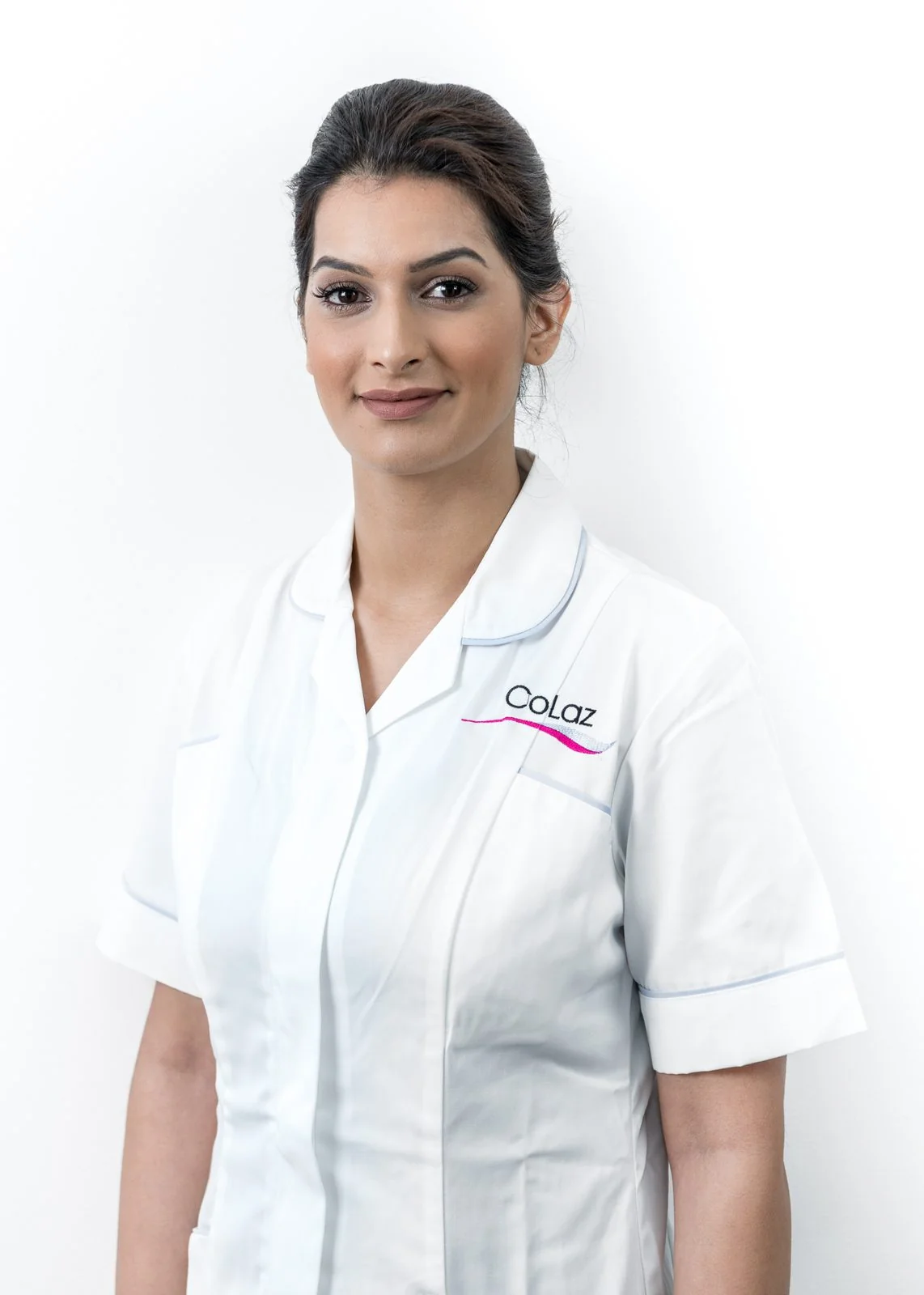
By Alayika Parvez
Owner, CoLaz Aesthetics Clinic
The short version
- • The best dermaplaning oils are light and non-comedogenic: jojoba, squalane, sweet almond and argan, with coconut oil used carefully on non-acne-prone skin only.
- • Oil reduces friction so the blade glides, which lowers the risk of nicks, tugging and irritation.
- • Avoid olive oil, fragranced or essential oils, and heavy pore-clogging oils, as they can disrupt the freshly exfoliated skin barrier.
- • Patch test any new oil on a small area first, and smooth it on rather than rubbing it in.
- • In-clinic dermaplaning at CoLaz is done by trained clinicians who check your skin is suitable before any blade touches it.
TL;DR
- The best dermaplaning oils are light and non-comedogenic: jojoba, squalane, sweet almond and argan, with coconut oil used carefully on non-acne-prone skin only.
- Oil reduces friction so the blade glides, which lowers the risk of nicks, tugging and irritation.
- Avoid olive oil, fragranced or essential oils, and heavy pore-clogging oils, because they can disrupt the freshly exfoliated skin barrier.
- Patch test any new oil on a small area first, and smooth it on gently rather than rubbing it in.
- In-clinic dermaplaning at CoLaz is done by trained clinicians who check your skin is suitable before any blade touches it.
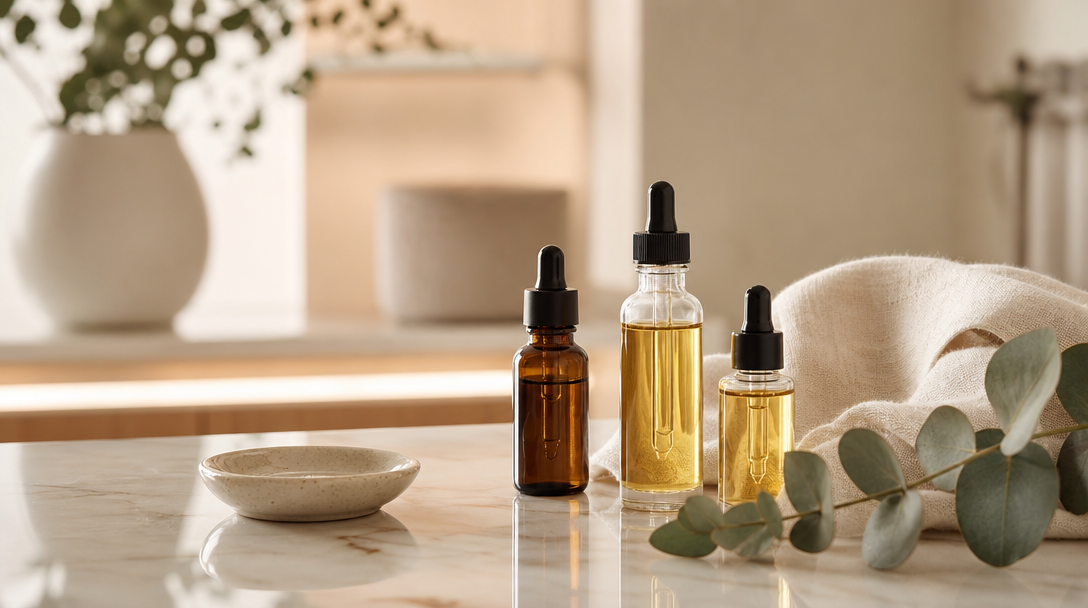
The best oils for dermaplaning are the light, non-comedogenic ones that let the blade glide without clogging pores: jojoba, squalane, sweet almond and argan, plus coconut oil used with care on skin that is not acne-prone. The oils you choose matter, because dermaplaning is a mechanical exfoliation, and the surface it leaves behind is briefly more delicate than usual.
Below is how to pick an oil for dermaplaning by skin type, which oils to avoid, and how to use one safely, whether you are prepping at home or coming in to a CoLaz clinic.
Why does dermaplaning need an oil at all?
Dermaplaning needs a slip layer so the blade can glide instead of drag, and a light facial oil is one of the simplest ways to provide it. Without that glide, the blade can catch, tug or nick the skin, which is uncomfortable and raises the risk of irritation.
Dermaplaning is a form of mechanical exfoliation. A fine blade lifts away dead surface cells and soft vellus hair (the peach fuzz on your face). The American Academy of Dermatology notes that mechanical exfoliation removes the outer layer of skin, and that overdoing any exfoliation can damage the barrier and leave skin raw and irritated. A cushioning oil reduces the friction on that surface, which is exactly why so many people prefer to dermaplane over a thin layer of oil rather than on bare, dry skin.
There is a bonus. The right oil also supports the skin afterwards. Research on plant oils shows several of them help repair and maintain the skin barrier when applied topically, which is useful on a freshly exfoliated surface. A widely cited review on the barrier repair effects of plant oils sets out how oils rich in linoleic acid tend to support the barrier, while oils high in oleic acid can be more disruptive.
The five best oils for dermaplaning at home
Here are the five oils that most often suit dermaplaning, and who each one works best for. In every case, look for a cold-pressed, fragrance-free version and patch test it first.
Jojoba oil
Jojoba is a strong all-rounder because it behaves less like a greasy oil and more like your own skin. It is technically a liquid wax ester whose structure closely resembles human sebum, which is part of why it absorbs cleanly and tends to score very low for pore-clogging. A comprehensive jojoba review documents its anti-inflammatory and skin-soothing properties, and a 2024 ex-vivo skin study found topical jojoba wax boosted pro-collagen III and hyaluronic acid while lowering inflammatory markers. Good for most skin types, including sensitive and combination skin.
Squalane oil
Squalane is the pick for people who dislike anything that feels heavy. It is a lightweight emollient (usually derived from olives or made by fermentation) that absorbs fast and helps skin hold on to moisture without a greasy finish. Reviews of natural oils for barrier repair describe squalene and its stable form squalane as a gentle emollient that reduces water loss from the skin surface. Good for oily, combination and acne-prone skin thanks to its light, non-comedogenic feel.
Sweet almond oil
Sweet almond oil is a gentle, nourishing choice for drier or reactive skin. It works as an emollient that reduces transepidermal water loss, and it has a long record of soothing dry, itchy skin. A dermatology review of the almond oil properties describes its emollient and anti-inflammatory effects, while noting that a small number of people can get mild redness, so a patch test matters. Good for dry, mature or slightly irritated skin (avoid if you have a nut allergy).
Argan oil
Argan oil suits dry and ageing skin that wants a bit more richness without a lot of shine. It is high in vitamin E and antioxidants, which help the skin feel soft and supported. A review of plant-based oils including argan describes its emollient, antioxidant and skin-conditioning benefits. Good for dry, dull or maturing skin that tolerates a slightly heavier oil.
Coconut oil (use with care)
Coconut oil is deeply moisturising and can improve barrier hydration, but it is the one to think twice about. The same plant-oil reviews that praise its moisturising strength also flag that coconut oil is comedogenic, meaning it can clog pores and trigger breakouts on acne-prone skin. If your skin is dry and not prone to spots, a small amount can work. If you are acne-prone, choose jojoba or squalane instead and skip this one.
Which oils should you avoid before dermaplaning?
Avoid heavy, pore-clogging or fragranced oils before dermaplaning, because the freshly exfoliated surface is more permeable and less forgiving than usual. Three types are worth steering clear of.
Olive oil. Olive oil is popular in the kitchen but a poor match for the skin barrier. Studies on the barrier repair effects of plant oils found that topical olive oil can disrupt the skin barrier, largely because of its high oleic acid content. Oils with a higher linoleic acid to oleic acid ratio tend to repair the barrier, whereas oleic-rich oils like olive can weaken it, which is the last thing you want on just-exfoliated skin.
Fragranced and essential oils. Anything with added perfume, or undiluted essential oils, can sting and sensitise skin that has just been dermaplaned. Fragrance ingredients are among the most common causes of a contact allergy to cosmetics, and the NHS also notes that perfume in skincare can irritate sensitive skin. Choose a plain, fragrance-free oil.
Thick, comedogenic oils. Heavy oils and butters (unrefined coconut on acne-prone skin, cocoa butter, and dense mineral-heavy blends) sit on the surface and can block pores at the exact moment your skin is most open. If in doubt, lighter is safer.
How to dermaplane with oil at home, step by step
If you dermaplane at home, keep it gentle, keep everything clean, and treat the oil as a cushioning layer rather than a soak. Here is a safe sequence.
- Cleanse thoroughly. Wash your face with a mild cleanser and remove all make-up, sunscreen and grime so the blade meets clean skin.
- Apply a few drops of oil. Warm three to five drops between your fingertips and smooth a thin layer over the area. The NHS advises smoothing skincare on in the direction of hair growth rather than rubbing it in, which is good practice here too.
- Hold the blade at about 45 degrees. Use a clean, single-use dermaplaning tool and keep the angle shallow against the skin.
- Use light, short strokes. Work in the direction of hair growth, without pressing hard. Skip any active spots, raised moles or broken skin.
- Wipe the blade between strokes. Clean it on a tissue so build-up does not drag across the skin.
- Rinse and soothe. Rinse with cool water, pat dry, and apply a fragrance-free moisturiser. The British Association of Dermatologists notes that plain emollients help calm and protect the skin barrier after exfoliation.
Finish by applying a broad-spectrum SPF the next morning, since freshly exfoliated skin is more sensitive to the sun. For more on the recovery window, see our guide to dermaplaning aftercare.
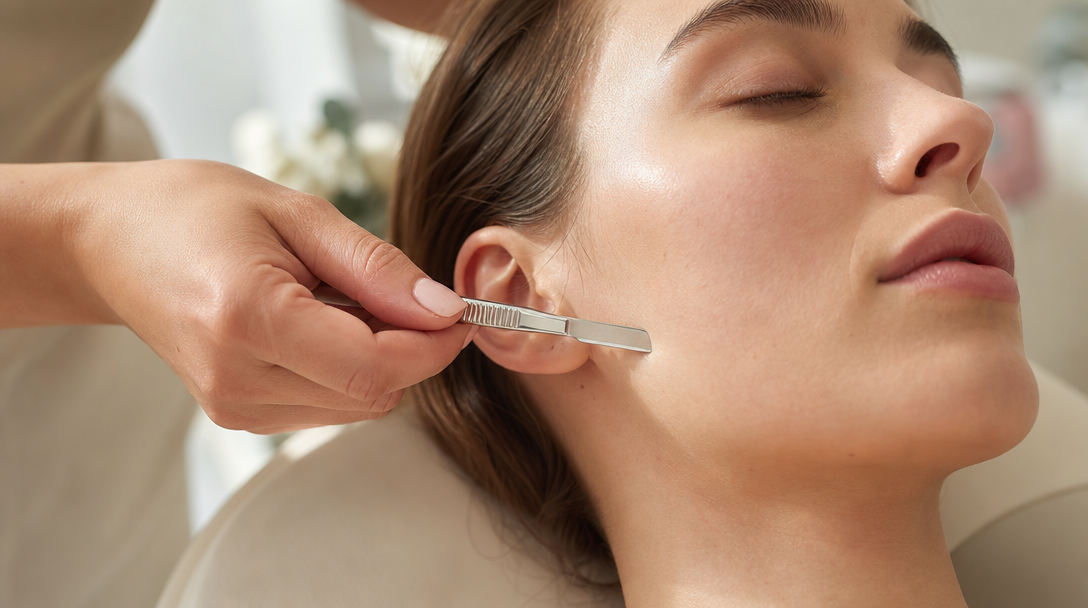
Is at-home dermaplaning as good as a clinic session?
At-home dermaplaning can tide you over between visits, but it is not the same as a professional treatment, and it carries a higher risk of nicks, uneven results and irritation. The blade quality, the angle control and the reading of your skin are all harder to get right on yourself in a bathroom mirror.
A professional dermaplaning facial uses a proper surgical-grade blade in trained hands, and it is usually paired with a considered skincare routine before and after. Because it removes the surface layer, it also leaves skin primed to absorb the products that follow, which is why it is often combined with a facial. If your goal is smoother, brighter, more even-looking skin, a clinic treatment gives you a more controlled result, and it pairs well with treatments for dull skin such as a facial or a gentle peel.
Dermaplaning also is not right for everyone. It is not suited to thick, coarse or dark terminal facial hair, or to skin with active acne, eczema flares or cold sores. A clinician will tell you if it is a good fit before starting.
What does dermaplaning at CoLaz involve?
Dermaplaning at CoLaz is a clinician-led facial treatment that starts with a skin check, not a blade. Your clinician confirms the treatment is suitable for your skin and hair type, cleanses the area, performs the dermaplaning, and then gives you tailored aftercare advice.
Our dermaplaning treatment starts from £65 for the full face, and it can be combined with other skin treatments for a bigger brightening effect. Many clients pair it with a Hydrafacial so the deep cleanse and hydration land on freshly resurfaced skin. Because dermaplaning briefly leaves the surface more permeable, having it done in clinic means the whole process, from blade angle to the products layered on afterwards, is handled by someone trained to protect your skin barrier.
If you are not sure whether dermaplaning suits your skin, or which treatment would give you the glow you are after, a free consultation is the easiest place to start.
Can you dermaplane without any oil?
You can dermaplane without oil, but most people find it more comfortable and safer with a light slip layer. A dry blade has more friction, which increases the chance of catching, tugging or nicking the skin, especially over the jaw and around the nose.
Some clinicians and at-home users prefer a thin serum instead of an oil, which is fine as long as it is fragrance-free and non-irritating. Whatever you use, keep the layer thin, the blade clean, and the pressure light. If you have sensitive or reactive skin, doing a small patch test with your chosen product a day or two beforehand is a sensible habit, and it takes the guesswork out of how your skin will respond.
Ready to begin
Book a free Dermaplaning consultation at your nearest CoLaz clinic.
Thirty minutes with a qualified clinician. Skin assessment, candid recommendation, no obligation. Read about Dermaplaning at CoLaz, from £65 (full face, single session).
WhatsApp replies in minutes during opening hours
About the author
Alayika Parvez
Owner, CoLaz Aesthetics Clinic
Alaiyka Parvez bought the CoLaz franchise network in 2023, having joined the company as a Slough clinic employee in 2013 and gone on to open the Hounslow and Wembley franchises. She writes here on the treatments CoLaz delivers across its seven UK clinics.
Read more about Alaiyka and CoLaz →More on Skin
Keep reading.

15 September 2026 · 8 min
Salmon DNA polynucleotides: what they are and why aesthetics is hooked
Purified fragments of salmon DNA, known as polynucleotides or PDRN, are one of the fastest-growing skin boosters in UK clinics. Here is what the research says about how they work and what to realistically expect.

11 August 2026 · 10 min
HIFU treatment results: month by month, what is realistic
HIFU tightens skin gradually rather than instantly. Here is the honest month-by-month results timeline, how long the effect lasts, and who is a good candidate.
28 July 2026 · 10 min
Types of chemical peels: glycolic, salicylic, TCA and Jessner explained
Glycolic for dull and sun-damaged skin, salicylic for oily and acne-prone, lactic for sensitive, mandelic for pigmentation in deeper skin tones, TCA for resurfacing with downtime. A clear decision guide to the main types of chemical peels.
Begin
Book a free consultation
at your nearest CoLaz clinic.
Thirty minutes with a qualified clinician. Skin assessment, candid recommendation, written plan. No obligation.